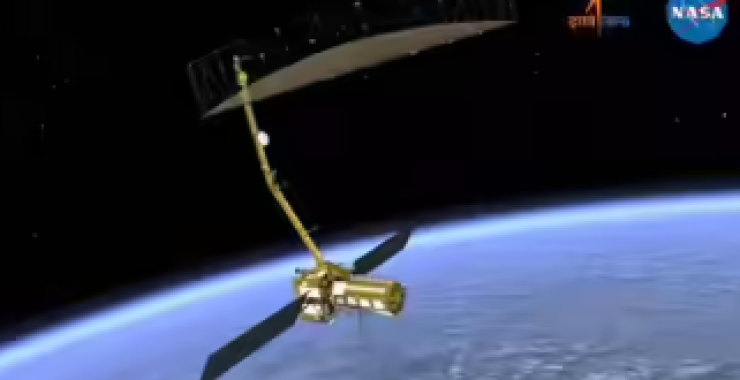
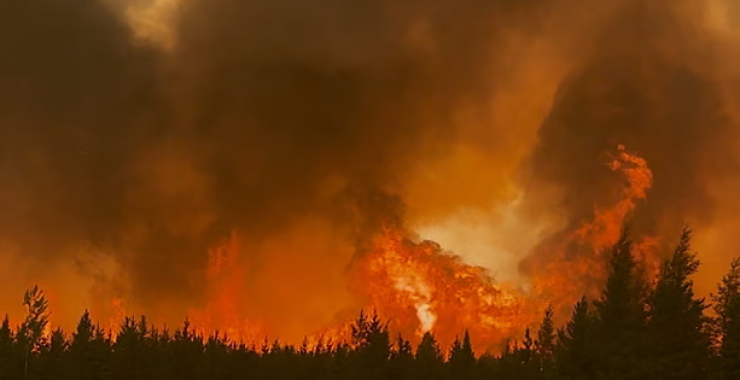
Canada Faces Second-Worst Wildfire Season on Record with Over 470 Fires Out of Control Canada is experiencing its second-worst wildfire season on record in 2025, with more than 470 active fires ...
13Aug

Deep Divisions and Slow Progress Mark Bonn Climate Talks Ahead of COP30 in Brazil
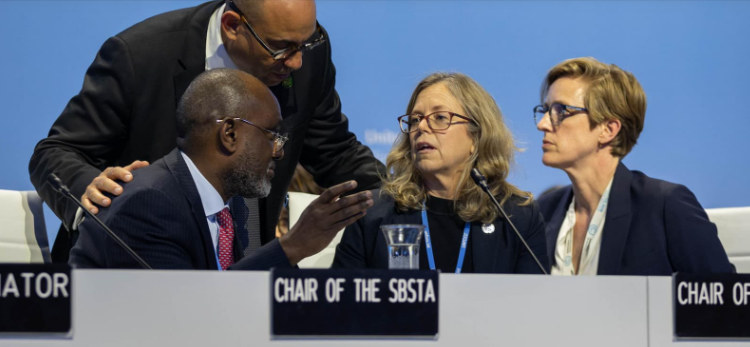
After two weeks of technical climate negotiations in Bonn, Germany, delegates wrapped up the latest round of UN climate talks with many critical issues still unresolved — highlighting the challenges that lie ahead before COP30 in Belém, Brazil, next year.
The 62nd session of the UN Framework Convention on Climate Change (UNFCCC) subsidiary bodies (SB62) was meant to advance technical work on climate action, but it was overshadowed by familiar disputes. Negotiations were delayed by two days due to an “agenda fight” led by developing countries demanding stronger commitments from rich nations on climate finance and concerns over unilateral trade measures like the EU’s carbon border tax.
One of the major sticking points was how to measure progress on climate adaptation. Unlike cutting emissions, where carbon reductions are clearly quantifiable, adaptation efforts have lacked concrete indicators. Negotiators aimed to agree on a streamlined list of around 100 indicators to track adaptation progress globally. However, debates over whether to include “means of implementation” — essentially climate finance for poorer nations — stalled talks. Developing countries insist that adaptation cannot happen without predictable, grant-based support, while some developed nations oppose binding obligations, preferring broader references to “enablers” or private finance.
A draft compromise text was agreed late in the final session, leaving many sections bracketed and unresolved. Key elements like the Baku Adaptation Roadmap and transformational adaptation — ideas that would require systemic changes to how societies cope with climate risks — were deferred to COP30 negotiations in Brazil.
Climate finance remained a flashpoint throughout the Bonn sessions. Last year’s COP29 in Baku set a new collective goal for climate finance of $300 billion a year by 2035, but many developing countries argue that this is far short of what is needed. The US, one of the largest historical contributors, has now withdrawn from the international climate finance process, while major European donors are cutting aid budgets. Talks on the legal obligations under Article 9.1 of the Paris Agreement, which requires developed countries to provide finance to developing nations, ended in deadlock. A compromise “consultation” process will continue at COP30.
Other tracks also struggled to deliver breakthroughs. Negotiations on national adaptation plans (NAPs) once again failed to reach consensus, and the review of the UN’s loss-and-damage mechanism remained bracketed and informal. Developing nations repeatedly highlighted that the newly created loss-and-damage fund remains severely underfunded, with less than 0.2% of annual needs met so far.
One area that saw some movement was the Just Transition Work Programme (JTWP), designed to ensure that the shift to low-carbon economies is fair for workers and vulnerable communities. There was cautious optimism that COP30 could establish a more robust framework for supporting countries in developing just transition plans, but major questions remain about how it will be financed and implemented.
As geopolitical tensions grow and the effectiveness of multilateral climate negotiations is questioned, the Brazilian COP30 presidency has called for countries to reflect on how the UN climate process itself can be reformed. Proposals include capping delegation sizes, streamlining agendas, and even moving away from consensus decision-making to prevent a single country from blocking progress.
With the Paris Agreement now fully operational, the focus must shift from rulemaking to real-world action. However, observers warn that without concrete financial commitments and more trust between nations, the COP process risks stalling at a critical time when global warming impacts are accelerating.
All eyes will now turn to Belém, Brazil, in November 2025, where negotiators will face the challenge of turning these incomplete technical discussions into meaningful decisions that can keep the world on track to limit warming to 1.5°C.