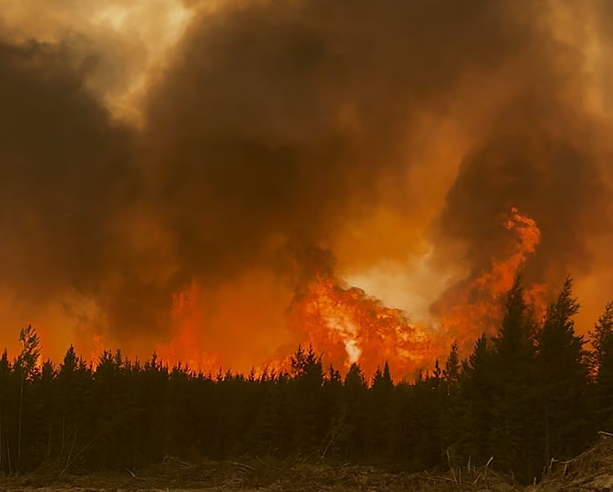
Canada Faces Second-Worst Wildfire Season on Record with Over 470 Fires Out of Control Canada is experiencing its second-worst wildfire season on record in 2025, with more than 470 active fires ...
13Aug

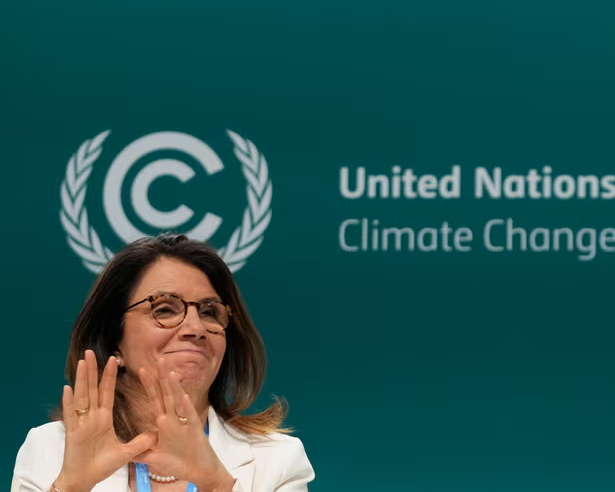
Belém, Brazil — With just four months to go before the Cop30 UN climate summit in the Amazonian city of Belém, Ana Toni, the summit’s chief executive, has issued a stark warning that the world risks losing focus on the climate crisis as wars and economic turmoil grab global attention.
Only about 30 of 200 participating countries have so far submitted updated climate action plans, known as Nationally Determined Contributions (NDCs), which are required under the 2015 Paris Agreement to limit global warming to 1.5C above pre-industrial levels. Scientists warn the limit could soon be permanently breached, with devastating and irreversible consequences.
Negotiations have been slow, with some delegates blaming deliberate efforts by fossil fuel-producing nations to stall progress. Preliminary talks in Bonn ended without clear agreements, and key issues like transitioning away from fossil fuels are in danger of being sidelined.
China, the world’s biggest greenhouse gas emitter, is under scrutiny as it weighs weak emissions targets despite rapid growth in its clean energy sector. Meanwhile, the EU struggles to finalise its 2040 carbon target, and major economies like India remain hesitant to submit ambitious plans.
Climate finance remains a major sticking point. Developing nations need substantial funding to cut emissions and adapt to extreme weather, but progress has been sluggish, especially after the US withdrew support. Last year’s promise of $1.3 trillion annually by 2035 hangs in the balance, with developing countries demanding clear roadmaps for delivering this aid.
Despite Brazil’s efforts to build goodwill and include Indigenous voices and civil society in the summit’s agenda, many activists fear Cop30 may not deliver the action needed. As Toni put it, the world must not let conflicts and trade wars distract from “the bigger fight” — the war against climate catastrophe.